Dopamine Dressing and the Music Industry Post-Pandemic - Trend Justification for Festival Tops
- Ana Mocklar

- Feb 7, 2023
- 5 min read
Updated: Aug 31, 2023

Photo Credit: Wix images
Author's note:
Hi! This trend report was written as a part of an introductory Fashion Management course. Focusing on a hypothetical festival-shirt company (affectionately named Muse by my team members and me), this report includes statistical justifications for the target demographic for the brand as well as trend data proposing certain design aspects for the fashion line we created later in class. This report was done individually and was later discussed in groups to establish a brand direction. My team will be credited in anything that was done collaboratively :)
Happy reading,
Ana <3
Introduction:
After two years of lockdowns and event limitations, festivals are finally coming back. As Gen Z and Millenials rush to make up for experiences they missed, event attendance is expected to grow, increasing the need for festival wear. There currently exist two notable trends in this target demographic - the increase in festival popularity and the dopamine dressing movement - that set a strong foundation for the festival wear market in upcoming years.
Target Market Description:
The festival line focuses on experience-seeking women ages 18-37. Gen Z and Millennial women play a large role in the festival industry and its related markets. As the “largest demographic audience” for music festivals, “36% of 19-37-year-olds spend money on events and experiences every month” (Peterson and Olson, 2021) (Ypulse 2019). Within the age range, there exist different financial capabilities and behavioral trends; however, the general motivator between them all remains the same. Ages 18-24 are a time of newfound independence. As the first time without parental supervision, many college students become more experience-seeking (ie. trying new events like festivals) while still operating (somewhat) on their parents’ dime. After leaving college, many women find themselves with a limited disposable income from their first jobs, an average of $34,684 for 20-24 year olds (Josephson, 2022). However, despite their low income, they tend to be willing to splurge on events and clothing. As women get older, they generally gain a larger and more stable income. Women ages 25-34 make $49,920 annually, on average, and $53,820 as they approach their 40’s (Josephson, 2022). They are where the main purchasing power is coming from in the current market. Unlike their younger counterparts, they can afford to buy better quality/more expensive products without it being considered a splurge. They are able to buy more than one piece of festival wear and attend multiple festivals a year. Regardless of age, this demographic is middle to upper-middle class and can afford to go to festivals and spend a little extra for good quality party wear. Overall these women are experience-seeking and looking to have a good time while being fashionable.
Key Trends:
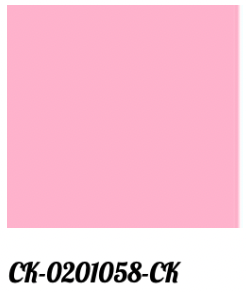
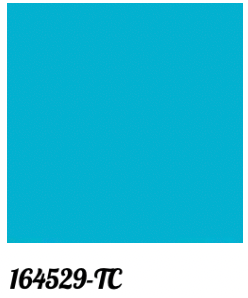
The increasing popularity of festival culture and dopamine dressing are two trends that will have a large impact on the future of women’s tops. Following the lifting of COVID restrictions, in person events are seeing an uptick in attendance. According to Daniel Levine, a forecaster in the event and entertainment industry, attendance at face-to-face events “will exceed 2019 levels” based on trends he has observed (Russell, 2021). Festival organizers tend to agree, with 49.2% expecting growth in attendance in the upcoming festival seasons (Viberate Forecasting Team, 2022). This trend especially impacts 18-44 year olds who make up festivals’ “largest demographic audience” (Peterson and Olson, 2021). The festival industry has many related markets which are heavily influenced by this demographic. Through an increase in festival popularity, these markets will also see an increased demand for their products. In fact, “‘Festival outfit’ searches reached an all-time high on Google Shopping in the US on the last week of March 2022, far above pre-pandemic levels in a sign of pent-up demand” (WGSN, 2022). According to Mintel, this pent up demand will drive a “year over year growth of about 10% in 2021 and 2022” in the entertainment and event industry (Boesel, 2021) Of the average 32 million people who attend festivals every year, “over 51% are women” (Vagianos, 2016). Women’s return to the event scene after two years will create a demand for trendy, new festival attire. The younger crowd and festival environment offer the option to opt towards a more exciting, bright color palette. Dopamine dressing (wearing bright colors to improve your mood) fits well in these fun loving environments. This trend is best exemplified by color statistics from both 22/23 runway trends. According to WGSN, shades of pink have increased by 138% in the current season with bright pink growing by 201%, medium pink by 154%, and pastel pink by 123%. Pinks are being pushed by the S/S 23 and W/F 22/23 runways, being featured in collections by Ankvas, Foo and Foo, Ancuta Sarca, Mark Fast, Tom Ford, Scimparello magazine, LaQuan Smith, Zancov, and more. Versace’s 2022 spring and summer collection exemplified this, featuring bright yellows, blues, oranges, and pinks over a wide variety of outfits. Through the trickle down property of fashion, pink is expected to heavily influence the more accessible levels of fashion in the upcoming years. Along with pinks, blues are also increasing in popularity, with bright cyan skyrocketing in a 279% increase in its catwalk showings (WGSN, 2022). Tranquil blues are also trending in Pre-summer 23 lines, serving as an “alternative neutral” in outfit creation (WGSN, 2022). Dopamine dressing creates vibrant and lively outfits that match well with fun environments. A line that utilizes the trending colors within the dopamine dressing movement will look more cohesive and might appear more appealing to Gen Z and Millennial women.
Suggested Colors:


Summary and Interpretation:
The target market of fun-loving, experience-seeking 18 to 37 year olds fits well with a women’s tops category focused on festival wear and bright colors. Festival culture ties in nicely with the dopamine dressing trend as bright colors, which convey excitement and fun, mesh well with the high energy environment at festivals. Making shirts in festival-appropriate styles (ex. babydoll, corset, and halter tops) and vibrant colors appeals to this younger demographic’s tastes. By implementing bright colors into the line of festival wear, the women's tops market can play into the fun loving atmosphere of festivals while remaining on trend with their target demographic. The vibrant color palette will feature trending colors such as strong pinks and blues alongside their softer counterparts. Bright colors will draw the consumer’s eye to the product while the lighter colors will keep it from being too visually loud. The line will be priced around $30-$60 because the target demographic can afford better quality goods at their socioeconomic level. The product line will address the market potential of festival culture through its silhouettes and styles, as well as the color framework exemplified by the dopamine dressing trend.
Conclusion:
Trends in festival attendance and color saturations will have a large impact on the future of women’s tops in the industry. COVID created a pent up demand for experiences and their related products. As festival attendance increases so will the demand for festival wear such as tops. This festival line hopes to capitalize on the dopamine dressing trend and increased demand for women’s wear in a festival scene. Through its color palette, moderate pricing, and festival styles, this line hopes to appeal to women ages 18-37 and act as a good quality, fashionably fun staple in their eventwear.
References:
Josephson, A. (2022, August 25). The Average Salary by Age in the US. Retrieved from https://smartasset.com/retirement/the-average-salary-by-age
Peterson, C., & Olson, L. (2021, June). Music Festivals for the Future. Retrieved from https://cpb-us-e1.wpmucdn.com/blogs.uoregon.edu/dist/1/17556/files/2021/06/J607-White-Paper-Final_Chloe-P-and-Leah-O-1.pdf
Russell, M. (2021, February 11). The Business Events Industry Recovery: Two different views. Retrieved from https://www.pcma.org/business-events-industry-recovery-2-different-views/#forecasters
Vagianos, A. (2016, May 25). Music Festivals have a glaring woman problem. here's why. Retrieved from https://data.huffingtonpost.com/music-festivals
Viberate forecast team. (2022). Post-pandemic festival report by Viberate: 2022. Retrieved from https://analytics.viberate.com/reports/festival-report-2022/
Ypulse forecast team. (2019, November 6). How many young consumers are actually buying concert tickets? Retrieved from https://www.ypulse.com/article/2019/11/06/how-many-young-consumes-are-actually-buying-concert-ticket

Comments